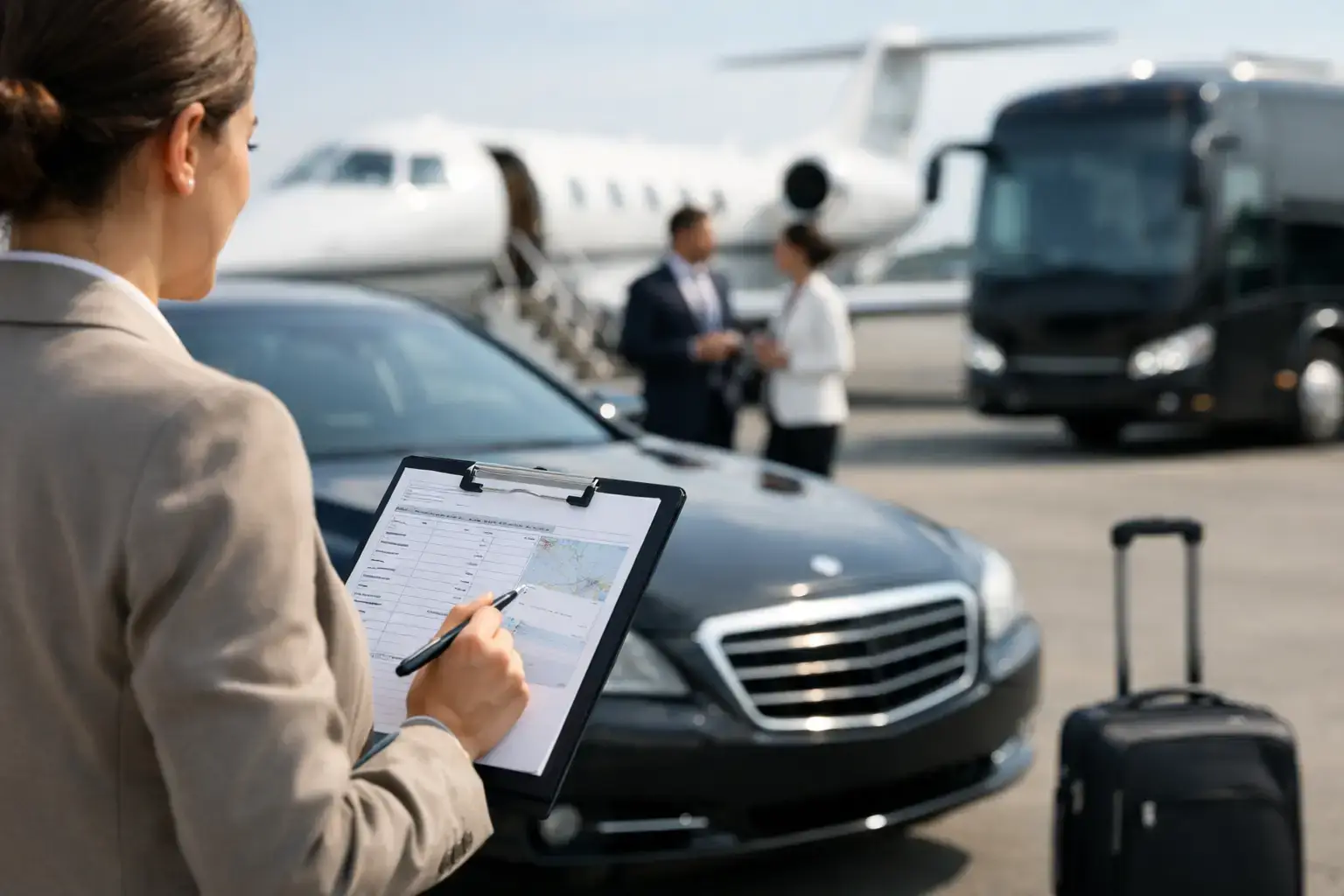
A beautiful venue can still feel disorganized if guests are late, speakers are waiting outside, or the wedding party is texting about parking. That is why smart event planning starts earlier than décor, catering, or even the run of show. It starts with how people get there, when they arrive, and whether that experience feels calm or chaotic.
For corporate events, private celebrations, and high-attendance occasions, transportation is not a small detail. It shapes timing, first impressions, and the overall flow of the day. When rides are coordinated professionally, the event feels polished before anyone walks through the door.
Why event planning often breaks down on arrival
Many events are planned backward. Hosts lock in the venue, build the guest list, select menus, and confirm vendors, then leave transportation for the final week. By then, parking issues, staggered arrivals, and communication gaps are already built into the schedule.
This is where pressure shows up fast. A client dinner loses momentum when executives arrive separately and late. A wedding schedule slips when family members are trying to navigate unfamiliar streets. A concert night or milestone birthday starts with frustration when the group is split across multiple vehicles with no clear pickup plan.
Transportation affects more than movement. It affects confidence. Guests notice when an event feels controlled, well-paced, and easy to attend. They also notice when the first 20 minutes are spent waiting curbside or calling for directions.
Event planning should begin with the guest journey
The strongest planners think like hosts, not just coordinators. They ask what the day feels like from the guest perspective. Is arrival simple? Is there enough time between pickup and check-in? Are VIPs, speakers, or family members being handled with the right level of care?
That mindset changes decisions. Instead of treating transportation as a backup plan, it becomes part of the experience. A chauffeured vehicle for airport arrivals, executive transfers, or venue-to-venue movement can remove the uncertainty that usually creates delays.
This matters even more when the event includes multiple touchpoints. If guests are flying in, checking into hotels, attending a dinner, and returning the next morning for meetings, every transition needs to work. One late pickup can affect the whole schedule.
Build timing around real travel conditions
One of the most common event planning mistakes is using ideal drive times instead of realistic ones. A 25-minute route on a map may turn into 50 minutes with traffic, venue congestion, security check-ins, or group loading.
Southern California events are especially sensitive to this. A private event in Beverly Hills, a corporate dinner in Santa Monica, or a convention-related function in Anaheim can all look manageable on paper while becoming difficult in live traffic. The larger the group, the more margin you need.
Professional transportation planning adds that margin early. It accounts for staging time, pickup windows, route adjustments, and the extra minutes needed for guests who are dressed for a formal event, traveling with luggage, or moving as a group. That is not overplanning. It is what keeps the event on time.
Match the vehicle to the event, not just the headcount
Capacity matters, but it is not the only factor. Event planning works better when transportation choices reflect the tone of the occasion, the makeup of the group, and the logistics of the day.
An executive airport pickup calls for a different experience than a family celebration or a nightlife itinerary. A luxury SUV may be the right fit for a small VIP group that values privacy and a polished arrival. A sprinter van may be more practical for wedding parties, conference attendees, or guests moving together between venues. For larger groups, coach sprinters create consistency and simplify coordination.
There is also a trade-off to consider. Splitting a group into multiple smaller vehicles can offer flexibility, but it creates more chances for timing issues and communication problems. Keeping everyone together may limit spontaneity, yet it usually improves control. The right answer depends on the event and the people attending it.
Event planning for VIPs requires tighter coordination
Not every guest should be handled the same way. Some events include keynote speakers, executives, elderly family members, bridal parties, or clients who should never be left to manage their own arrival. In those cases, transportation becomes part of hospitality.
A professional chauffeur does more than drive. The role includes punctuality, route awareness, discretion, and the ability to keep the experience calm under pressure. When schedules shift, weather changes, or venue access becomes crowded, that professionalism matters.
For business events, this can protect the tone of an important meeting or client-facing evening. For personal events, it helps hosts stay present instead of spending the day solving ride issues by phone. Good coordination gives key guests a smoother experience and gives organizers fewer problems to manage.
Communication is where great plans hold up
Even a well-designed transportation plan can fail if communication is vague. Guests need clear pickup times, locations, contact details, and expectations. Drivers need accurate names, timelines, and notes about venue access. Organizers need confidence that any change will be handled quickly.
This is why event planning should include a transportation contact person, whether that is the host, assistant, planner, or venue coordinator. Too many people giving updates creates confusion. One point of communication keeps things clean.
It also helps to confirm the details that are easy to overlook. Are there multiple entrances? Is there a loading zone? Are guests coming out of a hotel lobby, private residence, airport terminal, or event gate? Small details are often the reason a pickup goes smoothly or stalls out.
Transportation can improve the event itself
Most people think of transportation as the part before and after the event. In reality, it can improve what happens during the event too.
When guests arrive together and on time, the schedule starts stronger. When there is a reliable return plan, people relax and stay engaged longer. When hosts do not need to worry about parking, navigation, or late arrivals, they have more attention for the people in front of them.
This is especially valuable for weddings, charity galas, executive dinners, concerts, sporting events, and private celebrations. If alcohol is involved, professional transportation also adds an obvious safety benefit. If guests are traveling between several stops, it keeps the energy consistent instead of fragmented.
A polished ride experience can also support the image of the event. For companies, that means presenting a more organized and professional standard. For private clients, it means the day feels elevated without becoming complicated.
When to book transportation during event planning
Earlier is better, especially during peak event seasons, holiday periods, and weekends with large local demand. Waiting too long can limit vehicle options, reduce scheduling flexibility, and force compromises that affect the guest experience.
The ideal time to secure transportation is soon after the venue and event schedule are confirmed. At that stage, you can align arrivals, departures, and any multi-stop routing before the day becomes crowded with last-minute changes.
If the event is still evolving, that is not a reason to wait. It is usually better to begin with a working transportation plan and refine it than to start from scratch close to the date. A professional provider can help adjust details as headcount, timing, or venue logistics become more precise.
The best event planning feels easy to the guest
That is the real standard. Guests should not be thinking about traffic, parking, directions, or whether their ride will show up. They should feel taken care of.
For hosts and organizers, that kind of experience does not happen by chance. It comes from building transportation into the event from the start, choosing the right vehicles, setting realistic timing, and working with a team that values punctuality, safety, and presentation. In a market like Los Angeles, where distance and traffic can change the shape of any schedule, this matters even more.
Luxury Ride serves clients who want that smoother experience, whether the need is executive transportation, airport coordination, group movement, or special-event service. The right ride plan does more than move people. It protects the schedule, supports the atmosphere, and helps the entire event feel more refined.
If you are planning an event, think about arrival first. When that part is handled well, everything else has a better chance to run the way it should.


